CATEGORY

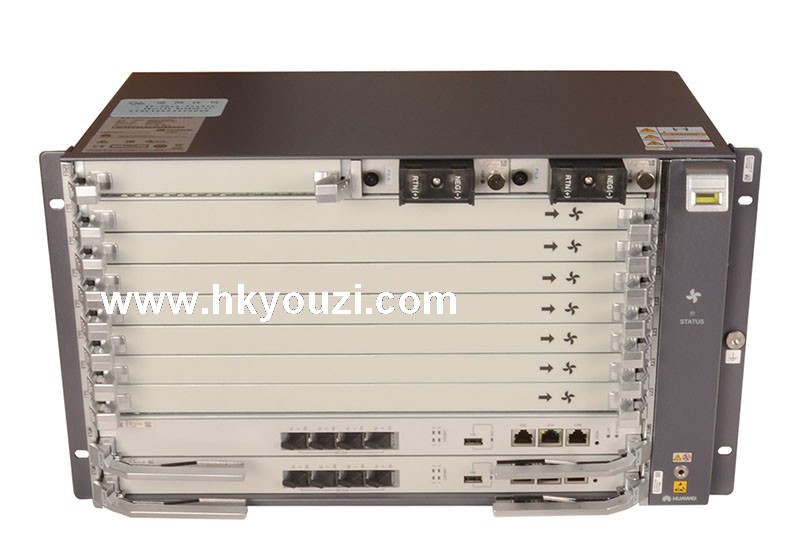
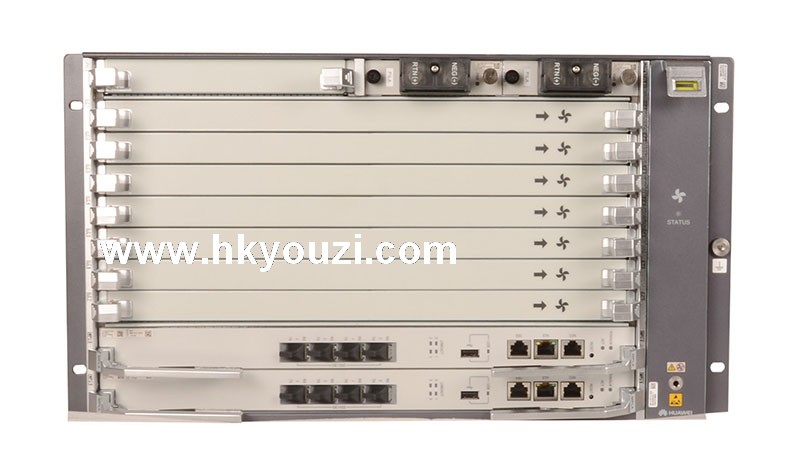
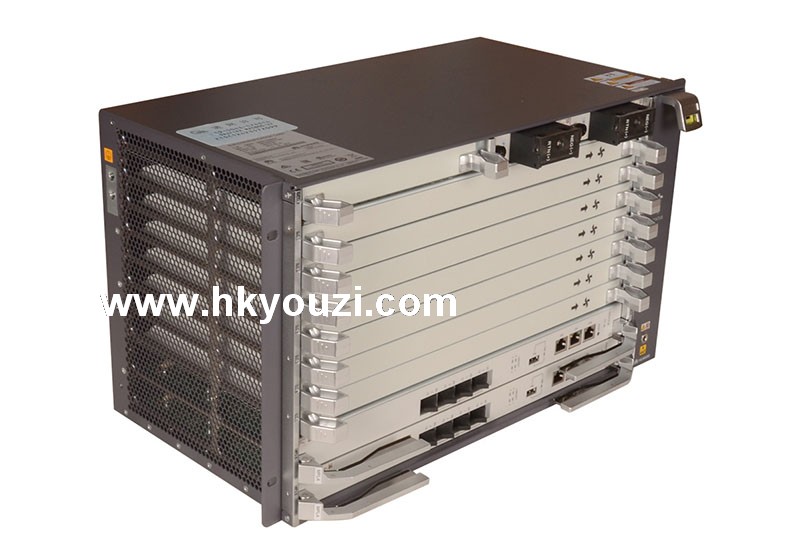
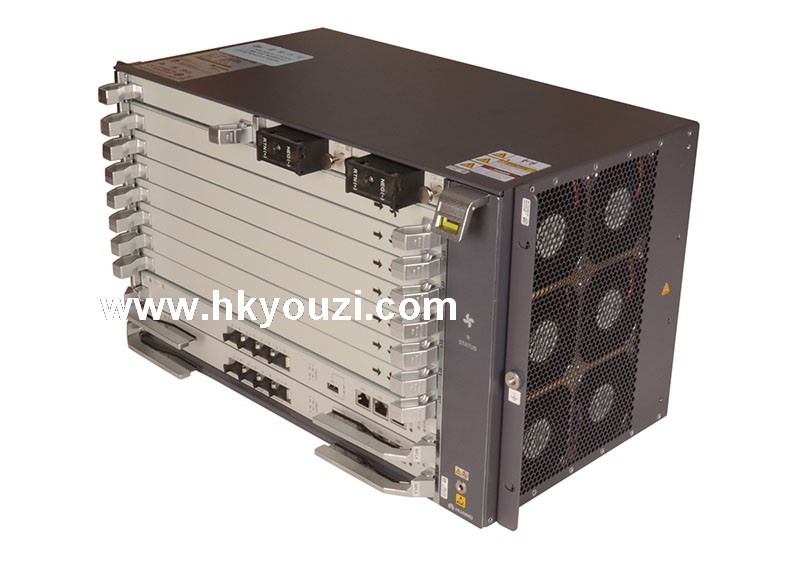
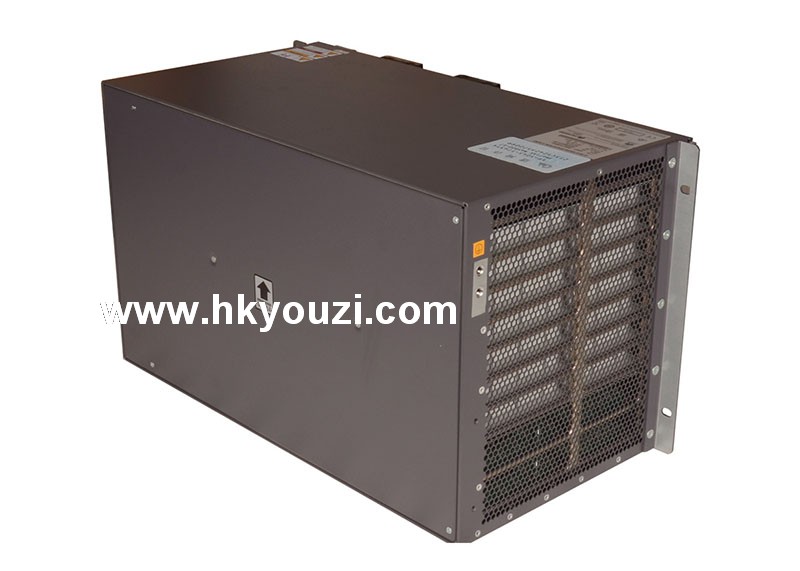
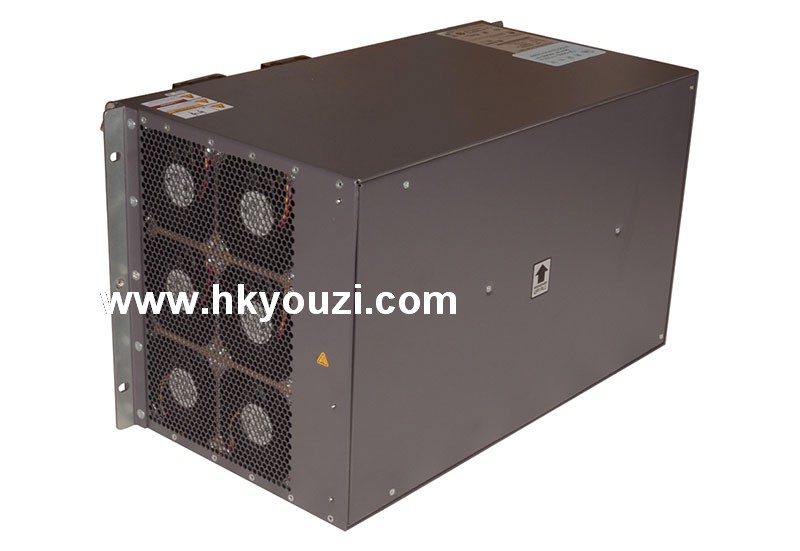
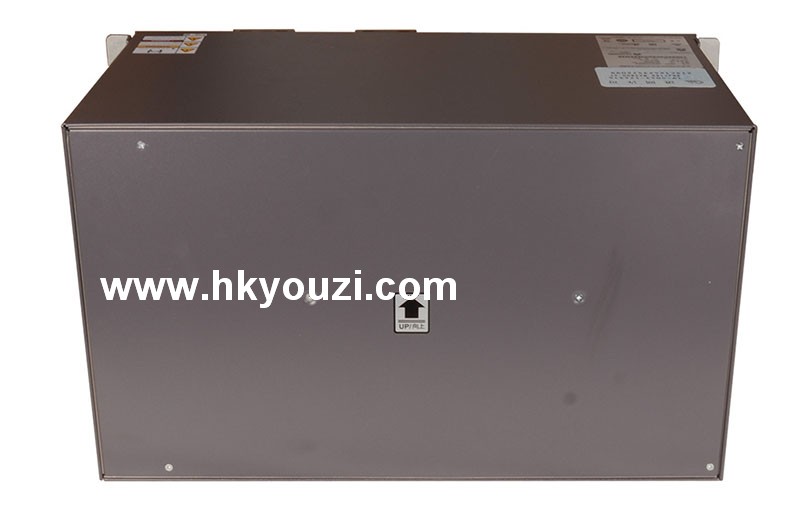
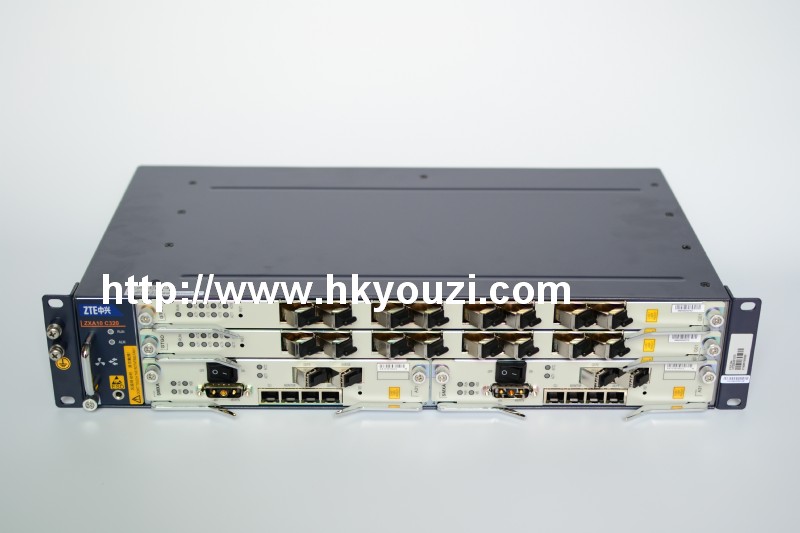
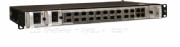
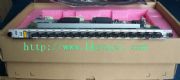
Huawei MA5800-X7 OLT Overview
The MA5800-X7 belongs to the Huawei MA5800 series optical line terminal (OLT), and the MA5800 supports four types of subracks. The only difference between these subracks relies on the service slot quantity (they have the same functions and network positions). and the MA5800 series includes:
- MA5800-X2, which supports 2 service slots with a small capacity.
- MA5800-X7, which supports 7 service slots with medium capacity.
- MA5800-X15, which supports 15 service slots with large capacity.
- MA5800-X17, which supports 17 service slots with large capacity.
- If the space of your cabinet is only 1U, and the number of ONTs/ONUs to be connected does not exceed 1024, you can also choose MA5801-GP08-H3.
Note: MA5800-X17 is compatible with ETSI standard cabinet, and the other three can be used in IEC standard cabinet.
The MA5800 is the industry’s first smart aggregation OLT with distributed architecture. It is positioned as the next-generation OLT for NG-PON(GPON/EPON/XG-PON/XGS-PON). The product is designed to help carriers build networks with larger bandwidths, higher speeds, and smarter connectivity to deliver a better service experience.
- Providing GPON, 10G PON (including XG-PON and XGS-PON), and P2P 10GE/GE access, the MA5800 supports deployment on FTTH, FTTD, FTTB, and FTTC networks. This makes it applicable to home access, enterprise access, mobile backhaul, and Wi-Fi hotspot backhaul scenarios to aggregate all services on one fiber network.
- The MA5800 functions as a large-capacity aggregation device on the network to aggregate the traffic from ONTs, MDUs, and campus switches, thereby simplifying the network architecture and reducing the OPEX.
Providing GPON, 10G GPON(including XG-PON and XGS-PON), P2P, GE, and 10GE access, the MA5800 supports deployment on FTTH, FTTD, FTTB, FTTC, and distributed converged cable access platform (D-CCAP)networks. This makes it applicable to home access, enterprise access, mobile backhaul, and Wi-Fi hotspot backhaul scenarios to aggregate all services on one fiber network.
The MA5800 functions as a large-cap aggregation device on the network to aggregate the traffic from ONTs, MDUs, and campus switches, thereby simplifying the network architecture and reducing the OPEX.
Huawei MA5800-X7 OLT Features
| Access features: | GPON/XG(S)-PON Access | 10GE/GE P2P Access | ||
| Layer 2 features: | VLAN+MAC forwarding | SVLAN+CVLAN forwarding | PPPoE+ | DHCP option82 |
| Layer 3 features: | Static route | RIP/RIPng | OSPF/OSPFv3 | IS-IS |
| DHCP relay | VRF | BGP/BGP4+ | ARP | |
| Multicast: | IGMP v2/v3 | IGMP Proxy/Snooping | MLD v1/v2 (V100R016C10 and later versions) | MLD Proxy/Snooping (V100R016C10 and later versions) |
| VLAN-based IPTV multicast | IPv4 PIM and PIM-SSM (V100R017C00 and later versions) | |||
| QoS: | traffic classification | Priority processing | traffic shaping | HQoS |
| trTCM-based traffic policing | WRED | PQ/WRR/PQ+WRR | ACL | |
| MPLS PWE3: | MPLS LDP | MPLS RSVP-TE | MPLS OAM | MPLS BGP IP VPN |
| PW protection switching | Tunnel protection switching | tdM/ETH PWE3 | ||
| IPv6: | IPv4/IPv6 dual stack | IPv6 L2 and L3 forwarding | DHCPv6 relay | |
| System reliability: | GPON type B/type C protection | ERPS (G.8032) | Monitor Link (V100R018C10 and later versions) | Intra-board and inter-board LAG |
| BFD (V100R016C10 and later versions) | 10G GPON type B/type C protection | Service overload control | MSTP | |
| 2 control boards and 2 power boards for redundancy protection | In-service board fault detection and rectification | In-service software upgrade (ISSU) of the control board | ||
| Application security: | 802.1x | AAA | ||